
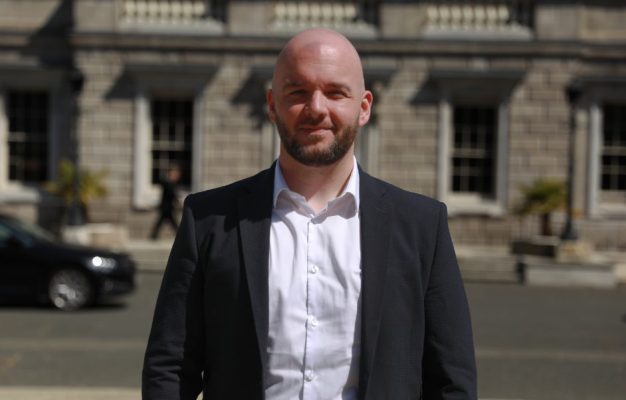
A proactive approach to public transport provision must be taken to tackle the adverse health and economic effects of congestion on our motorways, according to Social Democrats transport spokesperson Aidan Farrelly.
Deputy Farrelly said:
“The findings of the Centre for Transport Research at Trinity College Dublin’s M50 user survey are grim but not surprising. We know that spending excessive time in a vehicle is not good for us, our families, or for society.
“A majority of the survey participants stated that they had no alternative but to use the M50, while over 30% cited problems with public transport as their rationale for using it.
“We know that drivers are spending more time on the M50 now compared to last year, despite Transport Infrastructure Ireland telling us that the road had reached capacity in December.
“The reality for many on the commuter belt is that a 9-5 work day could equate to 6-7.30 by the time congestion is factored into the commute. That is not healthy. It’s starving people of time with their families, it’s costing businesses significant sums of money, and it’s contributing to a worsening climate crisis.
“The cost of traffic congestion will reach €2 billion nationally by 2040 without intervention, and the cost to the greater Dublin area will be €1.5 billion.
“We are in this position because of Government complacency and inadequate investment in public transport to and from commuter towns and villages. Over half of those surveyed say they have no viable alternative to using the M50.
“If adequate public transport was provided countrywide, we would see that number drop significantly.
“The pace of delivery of large-scale transport projects such as Dart+, MetroLink and the Luas Finglas extension, as well as infrastructure like Park & Ride facilities surrounding the M50, must be increased if we are to address the issues laid bare in this study. A proactive approach must be taken to public transport provision.”
“Similarly, we must expect more from our rail and bus services, and the National Transport Authority must ensure adequate financial penalties are in place as a consequence for substandard service provision.”
June 25th, 2026